
What Is Speciality Coffee?
Discover what separates speciality coffee from ordinary coffee, how quality is assessed and why careful sourcing, roasting and brewing matter in every cup.
The phrase “speciality coffee” appears on café menus, coffee bags and roastery websites, but it means more than coffee served in a stylish cup. It describes coffee with distinctive, desirable characteristics that has been carefully handled from the farm to the final brew.
The quality in your cup is not created by one person or one machine. It develops through a chain of decisions involving coffee variety, growing conditions, harvesting, processing, storage, roasting, grinding and brewing.
At Marley-Rose Coffee Co in Velddrif, we focus on approachable, freshly prepared artisan coffee rather than making good coffee feel complicated. Our House Blend combines premium Arabica beans from Colombia, Costa Rica and Tanzania to create a smooth medium roast designed for enjoyable everyday drinking.
Quick Answer
Speciality coffee is coffee recognised for its distinctive characteristics, quality and higher value. It is produced through careful attention at every stage, including growing, picking, processing, roasting and brewing.
The Specialty Coffee Association now evaluates coffee through a broad Coffee Value Assessment that considers physical, descriptive, affective and external attributes. This reflects the fact that coffee quality is more complex than one score or one person’s flavour preference.
Key Takeaways
- Speciality coffee should have distinctive and desirable qualities rather than simply tasting strongly of roast.
- Quality begins with the coffee fruit and continues through harvesting, processing, transport, roasting and brewing.
- Speciality coffee is evaluated for characteristics such as aroma, flavour, aftertaste, acidity, sweetness, body and balance.
- “Acidity” in coffee usually refers to lively, fruit-like brightness, not necessarily an unpleasant sour taste.
- Freshness matters, but coffee also needs a short resting period after roasting to release excess carbon dioxide.
- Arabica is often associated with speciality coffee, although species alone does not guarantee quality.
- Personal preference still matters. A well-made speciality coffee should be enjoyable, not intimidating.
What Does Speciality Coffee Mean?
The Specialty Coffee Association describes speciality coffee as coffee recognised for its distinctive characteristics and higher value in the market. In simple terms, it is coffee that people find special because of qualities that can be identified, described and appreciated.
Those qualities might include a clear aroma, natural sweetness, pleasant acidity, a smooth body, a long aftertaste or recognisable flavours such as chocolate, caramel, citrus, berries, nuts or spices.
Speciality coffee is not defined only by strength, price, packaging or the equipment used to prepare it. An expensive espresso machine cannot transform poorly grown or badly roasted beans into excellent coffee.
The term also describes a wider approach to coffee. It places greater emphasis on understanding where coffee comes from, how it was processed, what makes it distinctive and how those qualities can be protected until the coffee reaches the customer.
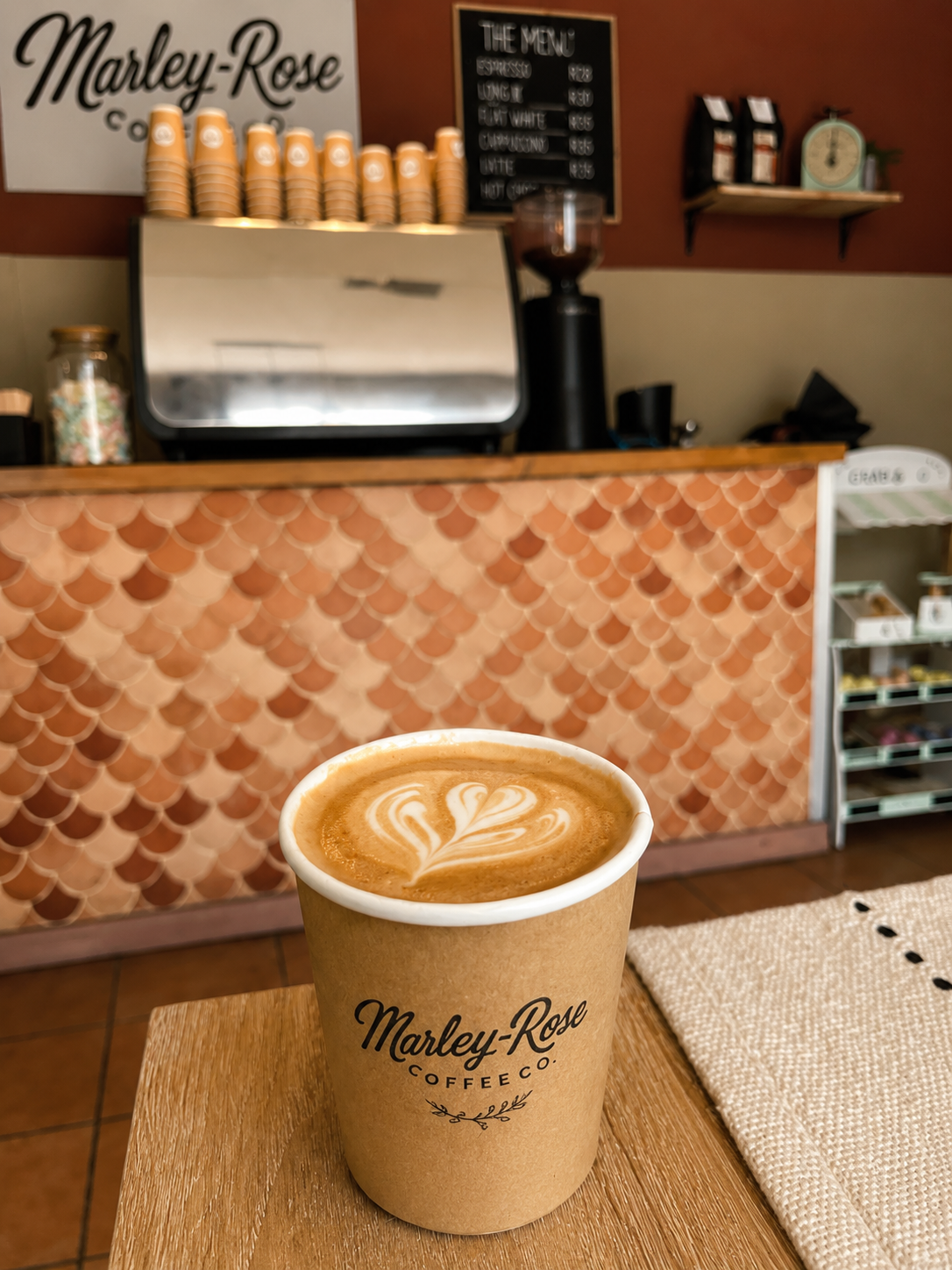
Speciality Coffee vs Ordinary Coffee
The difference is not that one type contains caffeine and the other does not. Both may be made from coffee beans, but the quality goals, handling and final flavour can be very different.
| Feature | Speciality Coffee | Commercial Coffee |
|---|---|---|
| Primary goal | Protect and express distinctive, desirable characteristics | Produce a consistent, affordable and widely available product |
| Raw coffee | Selected with close attention to quality and identifiable characteristics | May include larger blends selected mainly for consistency and price |
| Harvesting | Greater emphasis may be placed on picking ripe coffee cherries | Harvesting may prioritise speed and volume |
| Defects | Defects are carefully controlled because they can affect flavour | Quality requirements may be less exacting |
| Roasting | The roast is chosen to suit the coffee and desired flavour profile | Darker roasting may be used to create consistency across large batches |
| Flavour | Often clear, balanced and layered, with identifiable flavour notes | May be more roast-dominant, bitter or uniform |
| Traceability | Greater attention is often given to origin, producer, region or processing | Origin information may be broad or unavailable |
| Freshness | Usually sold with greater attention to roasting and storage | May be produced for a longer retail shelf life |
This comparison does not mean that every coffee marketed as speciality will suit every person. Someone who loves a smooth, chocolate-forward coffee may not enjoy an intensely floral, tea-like coffee, even when both are well produced.
Quality and preference are related, but they are not identical. The best coffee for you should be both well made and enjoyable.
How Is Speciality Coffee Produced?
Speciality coffee is the result of many people protecting quality throughout a long supply chain. One mistake can hide or damage characteristics that took months or years to develop.
Growing
Coffee variety, soil, rainfall, altitude, shade, temperature and farming practices influence how the coffee fruit develops.
Harvesting
Ripe coffee cherries generally contain better-developed sugars and flavours than underripe or damaged fruit.
Processing
Washed, natural and honey processing methods affect how the fruit is removed and can influence sweetness, clarity and fruit character.
Drying
Coffee must be dried carefully and evenly. Poor drying can create defects or cause the beans to deteriorate.
Sorting and Storage
Defective beans and foreign material are removed, while suitable packaging and storage help protect the green coffee.
Roasting
The roaster applies heat in a controlled way to develop sweetness, aroma and body without scorching the beans.
Grinding
The correct grind size helps water extract flavour evenly. An unsuitable grind can make coffee weak, sour, bitter or harsh.
Brewing
Water quality, temperature, dose, brewing time and technique determine how much of the coffee’s potential reaches the cup.
This is why speciality coffee is sometimes described as a farm-to-cup product. The barista or home brewer completes the process, but quality begins long before the coffee reaches the grinder.
How Is Speciality Coffee Quality Assessed?
Coffee professionals assess coffee by tasting it in a controlled process commonly called cupping. This allows different samples to be compared under similar conditions.
For many years, the industry often referred to speciality Arabica as coffee scoring at least 80 points on a 100-point cupping scale. The Coffee Quality Institute’s Q system has helped create a common professional language for evaluating and communicating coffee quality.
The Specialty Coffee Association has since introduced its Coffee Value Assessment. This newer framework recognises that the value of coffee cannot be captured completely by a single number.
The assessment provides a broader picture of coffee through four areas:
- Physical assessment: the condition and physical characteristics of the green coffee.
- Descriptive assessment: what the coffee smells, tastes and feels like.
- Affective assessment: the assessor’s impression of quality.
- Extrinsic assessment: information such as origin, processing, sustainability or other external attributes that may influence value.
What do professional coffee tasters look for?
Depending on the assessment system, coffee may be evaluated for:
- Aroma and fragrance
- Flavour
- Aftertaste
- Acidity
- Sweetness
- Body or mouthfeel
- Balance
- Uniformity
- Cleanliness
- Defects or undesirable flavours
What Does Speciality Coffee Taste Like?
Speciality coffee does not have one fixed flavour. Coffee is one of the world’s most chemically complex beverages, and its flavour can vary dramatically according to origin, variety, processing, roasting and brewing.
Common tasting descriptions include:
- Chocolate or cocoa
- Caramel, honey or brown sugar
- Roasted nuts
- Citrus fruit
- Berries or stone fruit
- Floral aromas
- Spices
- Tea-like or wine-like characteristics
Are flavour notes added to coffee?
Usually not. When a coffee bag mentions chocolate, caramel, nuts or citrus, these are tasting notes rather than a list of added flavourings.
They describe natural aromas and flavour associations that tasters notice in the brewed coffee. A description of “golden caramel”, for example, means that the coffee may remind the drinker of caramel sweetness. It does not necessarily contain caramel.
What does acidity mean in coffee?
In coffee tasting, acidity refers to a lively, bright or fruit-like quality. It can remind the drinker of citrus, apple, berries or other fresh foods.
Pleasant acidity can make coffee taste vibrant and balanced. It is different from an aggressively sour cup, which may result from under-extraction, unsuitable roasting or poor brewing.
What does body mean?
Body describes the physical sensation of the coffee in your mouth. It may feel light and tea-like, smooth and silky, creamy, rounded or heavy.
Brewing method influences body. French press coffee often feels fuller because more oils and fine particles remain in the cup, while paper-filtered coffee may taste cleaner and lighter.
Is Speciality Coffee Always Arabica?
Arabica and Robusta are the two main types of coffee traded internationally. Arabica is commonly associated with speciality coffee because it can produce a wide range of sweetness, acidity and complex flavours.
However, the word Arabica does not automatically guarantee high quality. Arabica can be grown, processed, stored or roasted poorly. Species is only one part of the quality story.
Carefully produced Robusta can also achieve recognised fine-coffee quality. Robusta often has more caffeine, a heavier body and a different flavour profile from Arabica.
Marley-Rose House Blend is made with 100% Arabica beans selected for a smooth, balanced and approachable cup.
Why Does Roasting Matter?
Green coffee beans do not smell or taste like the finished drink. Roasting applies heat to trigger a series of chemical reactions that create the aromas, sweetness, colour and flavour associated with coffee.
A skilled roaster tries to develop the coffee without burning away its character. Too light a roast may taste grassy or undeveloped. Too dark a roast may overwhelm the coffee’s natural qualities with smoke, bitterness or charred flavours.
Is light roast always better?
No. Roast level should suit both the coffee and the intended drinking experience.
Light roasts may highlight fruit, floral aromas and acidity. Medium roasts often balance origin character with sweetness, body and familiar chocolate or caramel flavours. Dark roasts usually emphasise heavier roast flavours and bitterness.
Marley-Rose House Blend uses a medium roast because it provides a smooth balance between natural sweetness, body and rich everyday flavour.
What does small-batch roasting mean?
Small-batch roasting means coffee is prepared in more manageable quantities rather than as one very large industrial batch. It can allow closer attention to roast development and make it easier to prepare coffee regularly for improved freshness.
The phrase does not automatically prove quality, but when combined with good beans, careful roasting and proper storage, it can support a more consistent and considered product.
How Fresh Should Speciality Coffee Be?
Freshly roasted coffee is important, but coffee does not always taste best immediately after leaving the roaster.
Roasted beans release carbon dioxide in a process known as degassing. During the first few days after roasting, excessive gas can interfere with water contacting the coffee evenly, especially during espresso preparation.
Coffee therefore benefits from a resting period. The ideal period varies according to the coffee, roast level and brewing method. Filter coffee may be enjoyable sooner, while espresso sometimes benefits from a longer rest.
Does coffee expire?
Properly stored roasted coffee does not suddenly become unsafe on a particular day, but its aroma and flavour gradually fade as it is exposed to oxygen, moisture, heat and light.
Coffee is best treated as a fresh food product. Purchase an amount that suits your normal use rather than keeping an opened bag for many months.
How should coffee beans be stored?
- Keep the bag tightly sealed.
- Store it in a cool, dry and dark cupboard.
- Keep it away from the oven, stove and direct sunlight.
- Avoid introducing moisture into the bag.
- Do not store everyday coffee in an open container.
- Grind only what you need whenever possible.
Coffee absorbs surrounding odours, so it should not be stored open near strongly scented foods or cleaning products.
Does Brewing Method Change the Coffee?
Yes. The same coffee beans can taste different when prepared as espresso, filter coffee, French press or moka pot.
Brewing extracts soluble compounds from ground coffee. The amount extracted depends on:
- Grind size
- Coffee-to-water ratio
- Water temperature
- Brewing time
- Water quality
- Agitation
- The brewing equipment
Why does coffee taste sour?
An unpleasantly sour cup is often under-extracted. This means the water has not extracted enough of the coffee’s sweetness and balancing compounds.
Common causes include grinding too coarsely, using water that is too cool or shortening the brewing time.
Why does coffee taste bitter?
Excessive bitterness may be caused by over-extraction, overly fine coffee grounds, water that is too hot, an extended brewing time or very dark roasting.
Some bitterness is natural, especially in espresso, but it should not dominate all the coffee’s sweetness and flavour.
Should you buy whole beans or ground coffee?
Whole beans usually retain their aroma for longer because less surface area is exposed to oxygen. Grinding shortly before brewing generally produces the freshest flavour.
Ground coffee is convenient and can still make an excellent cup when it is freshly ground to suit your equipment and stored correctly. Marley-Rose House Blend is available as whole beans or freshly ground coffee.
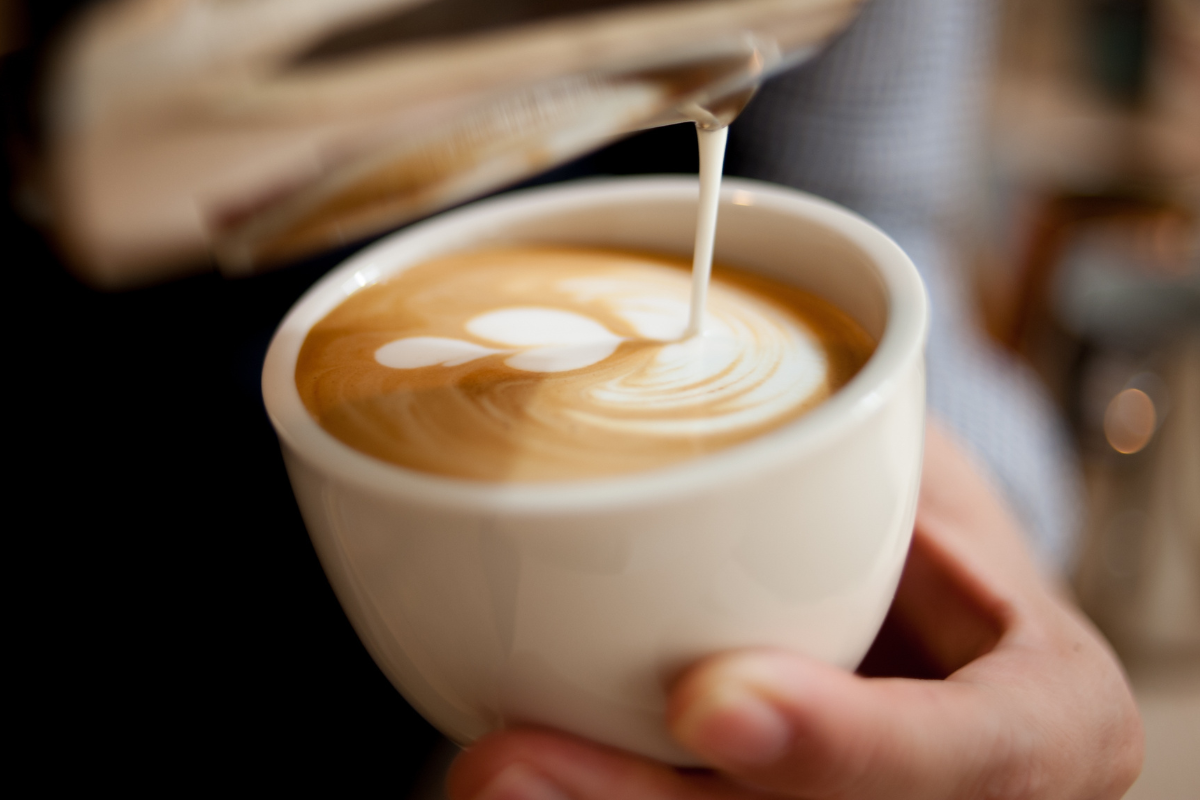
What Makes a Great Coffee Experience on the West Coast?
The best coffee experience is not defined only by expensive equipment or technical language. It combines quality beans, freshness, careful preparation and a welcoming place in which to enjoy the cup.
When choosing a coffee shop or bag of coffee beans on the West Coast, look for:
- Information about the coffee’s origin or blend
- A flavour description that helps you know what to expect
- A suitable roast level
- Whole-bean and correctly ground options
- Fresh, properly stored beans
- Staff who can explain the coffee without making it confusing
- Consistent preparation
- A cup that tastes balanced and enjoyable
For many customers, the most enjoyable everyday coffee is not the most unusual coffee available. It is one that remains smooth, balanced and reliable whether prepared as espresso, cappuccino, French press or filter coffee.
That approachable idea of quality is central to coffee at Marley-Rose Coffee Co. Our goal is to serve and supply carefully prepared artisan coffee that suits everyday life on the West Coast.
Meet the Marley-Rose House Blend
Marley-Rose House Blend is our smooth, beautifully balanced medium roast, prepared in small batches for exceptional everyday coffee.
The blend combines premium 100% Arabica beans from Colombia, Costa Rica and Tanzania. Each origin contributes to a cup with sweetness, body and gentle brightness.
Flavour profile
- Rich chocolate
- Golden caramel
- Roasted nuts
- Gentle citrus
These notes are naturally developed through the coffee, blending and roasting process. No chocolate, caramel, nuts or citrus flavouring needs to be added.
Our House Blend is suitable for espresso, cappuccino, flat white, filter coffee, French press and moka pot. Choose from 250g or 1kg bags and order it as whole beans or freshly ground to suit your preferred brewing method.
Coffee orders qualify for free local delivery in Velddrif and St Helena Bay. Free nationwide delivery is available on South African orders over R750.
Order Marley-Rose Coffee Beans
Enjoy our smooth House Blend at home. Choose whole beans or freshly ground coffee in 250g and 1kg bags, freshly prepared and carefully packed on the West Coast.
Order Coffee BeansFrequently Asked Questions About Speciality Coffee
What is speciality coffee in simple terms?
Speciality coffee is carefully produced coffee recognised for its distinctive and desirable qualities. Greater attention is given to the beans, harvesting, processing, roasting and brewing so that the coffee’s natural characteristics reach the cup.
Is speciality coffee the same as gourmet coffee?
Not necessarily. “Gourmet” is commonly used as a marketing description and does not always refer to a recognised evaluation method. Speciality coffee is associated with identifiable quality, distinctive characteristics and professional assessment.
Does speciality coffee need to score over 80?
The traditional Q and cupping system generally treated coffee scoring 80 points or more as speciality-grade. Current Specialty Coffee Association assessment has become broader and considers physical, descriptive, affective and external attributes rather than relying only on one score.
Is speciality coffee stronger than ordinary coffee?
Not automatically. Strength depends mainly on the amount of coffee used, the quantity of water and the brewing method. Speciality coffee refers to quality and distinctive characteristics, not simply strength.
Does speciality coffee contain more caffeine?
Not necessarily. Caffeine content depends on the coffee species, serving size and brewing method. Robusta generally contains more caffeine than Arabica, while a large filter coffee may contain more total caffeine than a small espresso.
Is speciality coffee always light roast?
No. Speciality coffee can be light, medium or dark roasted. The roast should suit the beans and the desired flavour. Marley-Rose House Blend is medium roasted to balance sweetness, body and gentle brightness.
Is speciality coffee always Arabica?
No. Arabica is commonly used because of its flavour potential, but Arabica alone does not guarantee quality. Carefully produced fine Robusta can also be recognised for high quality.
What are tasting notes in coffee?
Tasting notes describe natural flavour associations noticed in the brewed coffee. Notes such as chocolate, caramel, citrus or nuts do not usually mean those ingredients were added.
Why is speciality coffee more expensive?
The price can reflect careful farming, selective harvesting, quality processing, sorting, storage, roasting and smaller production volumes. More people and more detailed work are often involved in protecting the coffee’s quality.
Is expensive coffee always speciality coffee?
No. Price alone does not prove quality. Packaging, limited supply, transport and marketing can all influence price. Look for useful information about quality, freshness, flavour and origin rather than relying only on cost.
Why do speciality coffee beans look lighter?
Some speciality coffees are lightly or medium roasted to preserve more origin character. However, speciality coffee is not always pale. Roast colour varies according to the beans and intended flavour profile.
Why are some coffee beans oily?
Oils may move to the surface during darker roasting or as beans age. A glossy surface is not necessarily proof of freshness or quality. Many light and medium roasts remain dry-looking.
How long do coffee beans stay fresh?
Coffee gradually loses aroma after roasting and more quickly after grinding. Keep it sealed in a cool, dry and dark place, and purchase an amount you can use within a reasonable period.
Should coffee beans go in the fridge?
Everyday coffee is generally best kept sealed in a cool, dry cupboard. Refrigerators can introduce moisture and food odours. Freezing can be useful for longer storage when the coffee is divided into airtight portions and allowed to reach room temperature before opening.
Is whole-bean coffee better than ground coffee?
Whole beans generally retain their aroma for longer. However, correctly ground, freshly packed coffee is a practical choice when you do not own a suitable grinder.
Which grind should I order?
The grind should match your brewing method. Espresso needs a fine grind, moka pot uses fine to medium-fine grounds, filter coffee usually needs a medium grind and French press generally works best with a coarse grind.
Can speciality coffee be used with milk?
Yes. Many speciality blends are designed to taste balanced both black and with milk. Chocolate, caramel and nutty coffees often work especially well in cappuccinos, flat whites and lattes.
Where can I buy artisan coffee on the West Coast?
Marley-Rose Coffee Co supplies its small-batch House Blend from 16 Church Street, Velddrif. It is available in 250g and 1kg bags as whole beans or freshly ground coffee and can also be ordered online.
Does Marley-Rose deliver coffee?
Yes. Marley-Rose Coffee Co offers free local delivery in Velddrif and St Helena Bay. Free nationwide delivery is available on South African orders over R750.
Sources and Further Reading
This article was prepared using information from recognised international coffee organisations and industry standards.
- Specialty Coffee Association. What Is Specialty Coffee?
- Specialty Coffee Association. Coffee Value Assessment
- Specialty Coffee Association. Coffee Standards
- Specialty Coffee Association. Coffee Research
- Coffee Quality Institute. Coffee Quality and Education
- Coffee Quality Institute. The Q Coffee System
- International Coffee Organization. Coffee Quality and Grading
- International Coffee Organization. Coffee Terminology and Species
Our Editorial and Fact-Checking Process
Marley-Rose Coffee Co publishes practical articles to help readers understand artisan coffee, sourdough and small-batch baking without unnecessary jargon.
Our coffee content combines practical product knowledge and café experience with information from recognised organisations such as the Specialty Coffee Association, Coffee Quality Institute and International Coffee Organization.
Before publication, each article is reviewed for accuracy, clarity and relevance. Technical descriptions are checked against industry standards and reputable coffee education sources. We distinguish between measurable coffee characteristics and personal flavour preferences, and we avoid presenting marketing terms as formal quality guarantees.
Articles are reviewed periodically and may be updated when coffee standards, assessment systems or product information changes.
Last reviewed: August 2026